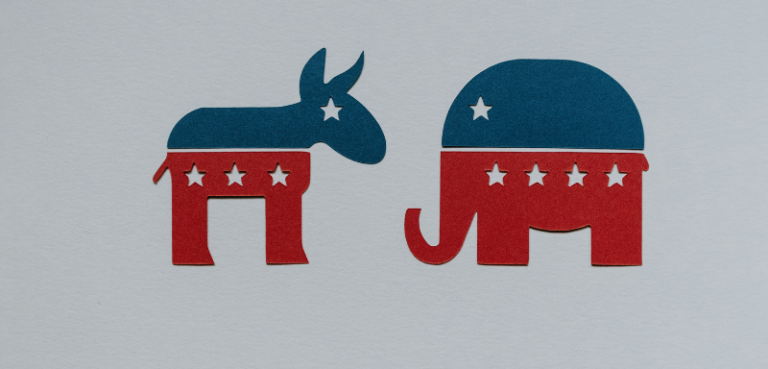
It seems like every election cycle, people are faced with deciding whether to vote for the lesser of two evils or for no one. Some argue that casting a ballot for the “lesser of two evils” is a moral compromise, whereas others believe that sitting out of an election is a form of protest. In reality, refusing to vote is more damaging than voting for an imperfect candidate.
In an ideal world, voters would research a candidate’s platforms, agendas, beliefs, and actions. Unfortunately, that is not the case. Most voters today get their information from social media sites, which can be misleading. So, even those who vote may vote for someone they don’t fully understand.
Democracy thrives on participation, and when people choose not to vote, they hand their decision-making powers to all the other people who do show up to vote. Low voter turnout gives disproportionate influence to the highly motivated voters who may be voting on either end of the two political extremes. By choosing not to participate, non-voters allow the opposite group more power.
Elections are rarely about reaching a perfect balance; sometimes, they’re just about reaching a better one. People who don’t vote, claiming that their vote “won’t make a difference,” are making a dangerous choice because it’s not only one person who believes this. When thousands believe their vote doesn’t matter and choose not to vote, that makes a huge difference.
Choosing not to vote is also a luxury for those who feel outside of the consequences of political decisions. More marginalized communities have fought for the right to vote because they understand the power of changing policy.
No one candidate will align with every voter’s ideals, but that doesn’t mean that choosing that candidate is meaningless. Elections are about moving towards a better place, not reaching a utopia. Voting is not the only way to engage in the political process, but it’s the most direct one with the most results.
Not voting is a choice, but it ultimately benefits those already in power. It’s not a form of protest or rebellion; it’s a sign of surrender and idiocracy. Every vote counts; the real mistake is believing that disengagement is a solution.