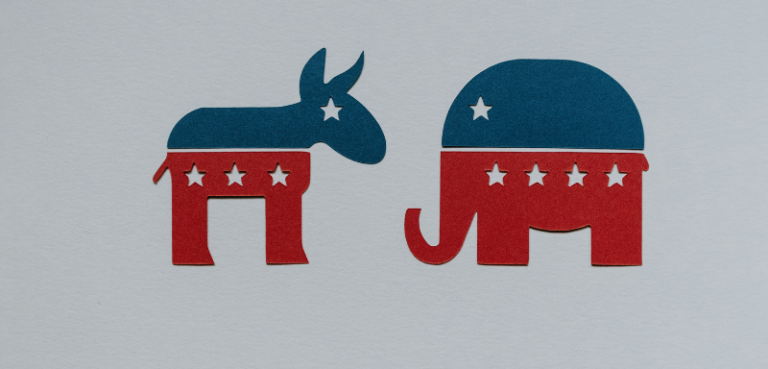
Politicians’ campaigns and online presence are nothing like they used to be. In an era of Trump, political figures are reimagining how they attract and maintain supporters. They now guest on podcasts, post humorous videos to their page and spread messages on social media almost as casually as texting a friend. Yes, this may attract voters—but at what point does it start to compromise their credibility?
A key part of winning any election is getting young people to vote. According to a CIRCLE estimate, approximately 47% of voters aged 18-25 filled out the ballot for the 2024 presidential election. This percentage is significantly lower than other age groups. In an effort to attract these young voters, politicians have started approaching campaigning, and social media, in a more Gen Z style.
During the 2024 election cycle, campaigns made a notable switch. People joked that interns must be running the candidates’ social media, as both Kamala Harris and Donald Trump’s pages had many “edits” on Tiktok to viral sounds. These candidates leaned into this approach with Harris being featured on “Call Her Daddy” and Trump on “The Joe Rogan Experience.”
Politicians were starting to feel just like influencers with how frequently, and casually, they were appearing on people’s timelines. It seemed to be a good thing as many more people, especially younger audiences, were gaining more exposure to politics. But all that attention begs the question: were young voters picking policies, or personalities?
The messaging seen online seemed to never really talk about what the candidates stood for, it only offered cinematic clips conveying to the audience their popularity. And when they were featured in long form on podcasts, it seemed to be more of a display of their charisma rather than a discussion about their plans for the country. It appeared to be a big, phony show–one more concerned with online traction than anything else.
The concerning part is that it looked like it worked. Enough that Trump has continued this strategy after entering office. Since his inauguration in January, the Trump administration has posted many videos since. One controversial one being a video of a deportation of undocumented immigrants to the song “Closing Time.” This raised concerns as it was playing fun at a serious issue in the US.
It is clear that the social media presence of politicians has gone too far. There has to be other ways to attract young audiences without losing messages. One way is to appeal to issues that younger voters tend to care more about, such as reproductive rights or climate change. There is no reason to lose credibility to gain engagement online.
Social media can be a powerful campaign tool, but its effectiveness depends on professional management, strategic messaging and consistent engagement to build trust and credibility with voters. Without professionalism, the message gets lost, and so does the vote.