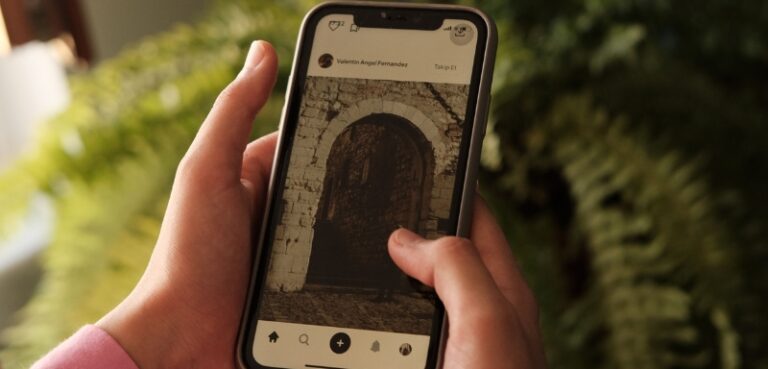
In the age of Instagrammable smoothies and TikTok therapy hacks, wellness has become less about health and more about branding. What was once a personal journey toward balance and self-care has been repackaged into a marketable aesthetic — one that thrives on curated feeds, affiliate links and aspirational lifestyles.
Social media platforms have transformed wellness into a commodity where influencers peddle detox teas, biohacking gadgets and mindfulness apps under the guise of empowerment. But behind the soft lighting and pastel palettes lies a troubling truth: the commodification of wellness often prioritizes profit over genuine well-being.
This shift is not just superficial. It distorts the meaning of health by equating it with consumption. Wellness is no longer about listening to your body or accessing care — it’s about buying the right products, following the right routines and projecting the right image. The result is a culture where self-worth is measured by how well one performs wellness online.
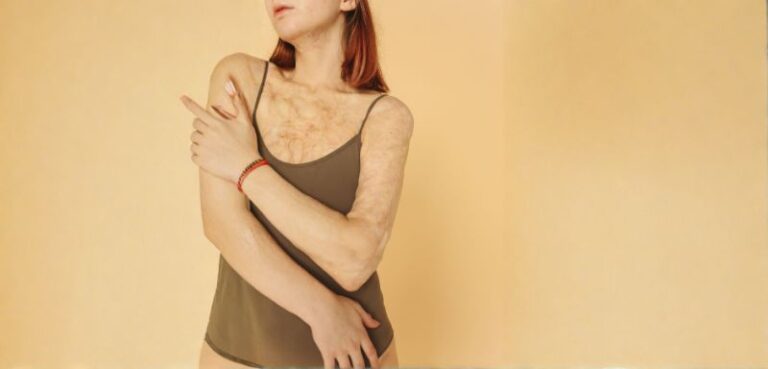
Even more concerning is how this trend reinforces privilege. The influencer-driven wellness economy often centers thin, affluent bodies as the standard of health, marginalizing those who don’t fit the mold. It glosses over systemic barriers to care — like food insecurity or lack of insurance in medicine — in favor of quick fixes and aesthetic appeal.
This isn’t to say that all wellness content is harmful. Social media can be a powerful tool for sharing resources, building community and destigmatizing mental health. But when wellness becomes a brand, authenticity suffers. The line between helpful advice and sponsored content blurs and followers are left navigating a landscape where health is sold in 30-second reels.