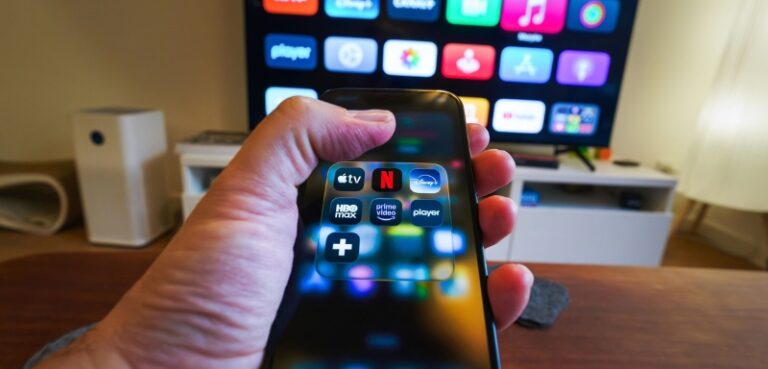
Remember when a new TV episode was a weekly sarosanct event? I remember. Audiences gathered, discussed and eagerly awaited the next installment. Today, with streaming platforms offering entire seasons at once, the viewing landscape has dramatically shifted, profoundly impacting pacing, cliffhangers and audience engagement.
The most immediate casualty of the binge-watching era is often pacing. Traditional shows meticulously crafted each episode with a distinct arc, building to a weekly climax. Now, writers can assume viewers will consume multiple episodes or even a whole season, in one sitting. This freedom often leads to slower burns, with plot points unfolding across several hours rather than being condensed into a tight 45 minutes. While this can allow for deeper character development and more intricate world-building, it can also result in episodes feeling like mere chapters in a longer book, lacking individual punch.
Cliffhangers once the lifeblood of episodic television, have also evolved. The agonizing week-long wait for a resolution is largely gone. A shocking revelation at the end of Episode 3 might be resolved just seconds later by clicking “next episode.” This diminishes the immediate impact and the watercooler discussion that once defined TV culture. Some shows still employ them but their power is diluted when the answer is instantly accessible. Others have adapted, using cliffhangers more as hooks to pull viewers into the next chapter of a continuous narrative rather than as standalone suspense builders.
Finally, audience engagement has become a double-edged sword. Binge-watching can foster intense, immersive experiences, allowing viewers to dive deep into a show’s universe without interruption. This can lead to rapid consumption and passionate, fleeting obsessions. However, the lack of a shared weekly rhythm can fragment the collective viewing experience. Discussions shift from anticipating what’s next to debating what just happened to someone who might be five episodes behind. The communal aspect, a cornerstone of TV’s appeal, risks being replaced by a more solitary, albeit satisfying, journey.
As streaming continues to dominate, creators face the profound challenge of balancing the artistic freedom of long-form storytelling with the imperative to maintain a compelling pace and foster meaningful audience connection in a world where “next episode” is always just a click away. This delicate equilibrium requires crafting narratives that engage both dedicated bingers and those who prefer a more measured consumption, ensuring each installment still feels significant. Hopefully, the end goal of cultivating a shared anticipation and discussion is reached to solve these issues.