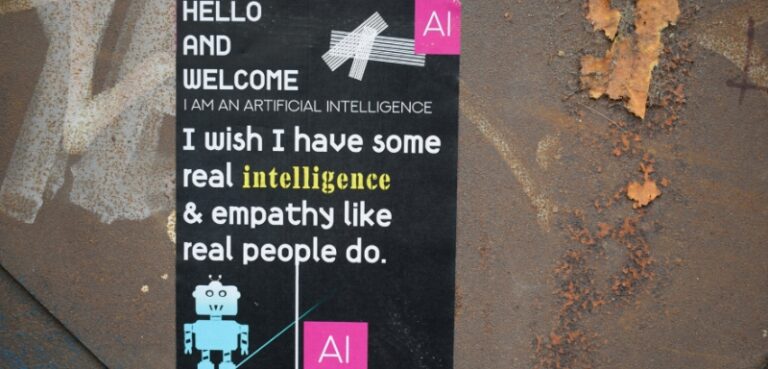
The rapid advancement of artificial intelligence is reshaping the global economy, prompting a critical re-evaluation of the skills necessary for future success. As AI increasingly augments and, in some cases, replaces routine tasks, individuals and educational institutions must prioritize uniquely human capabilities and a deep understanding of AI itself to thrive in a transformed work environment.
For individuals, the emphasis must shift from rote knowledge to higher-order cognitive and interpersonal skills. Critical thinking, complex problem-solving, creativity and innovation will become paramount. These are areas where human intuition, nuanced understanding and imaginative leaps still far surpass AI capabilities. Emotional intelligence, collaboration and effective communication will also be indispensable, as human teams will increasingly work alongside AI systems, requiring strong interpersonal dynamics. Furthermore, a foundational understanding of AI literacy – how AI works, its ethical implications and its limitations – is crucial for navigating this new landscape.
Educational institutions bear a significant responsibility in this transition. The School Curriculum must evolve beyond traditional memorization to foster project-based learning, interdisciplinary studies and real-world problem-solving. Developing critical thinking and creativity should be a central goal, not peripheral. Universities and vocational schools should integrate AI tools and concepts into all disciplines, preparing students not just to use AI, but to understand, manage and ethically develop it. Lifelong learning initiatives will also be important, offering continuous reskilling and upskilling opportunities for an ever-evolving job market.
The future work environment in a post-AI society is uncertain, presenting both challenges and opportunities. While some roles may diminish, the silver lining is the potential for human work to evolve towards more meaningful endeavors. Many jobs will be augmented, allowing humans to focus on strategic thinking, creative problem-solving and empathetic interactions – areas where our unique capabilities truly shine. This shift will foster new job categories in AI oversight, ethical development, data interpretation and human-centric design, potentially leading to flexible arrangements and purpose-driven careers. Realizing this potential however, necessitates robust social safety nets and proactive policy-making to address displacement and ensure equitable access to education and new opportunities. Adapting proactively is not merely an option; it is an imperative for a resilient workforce.