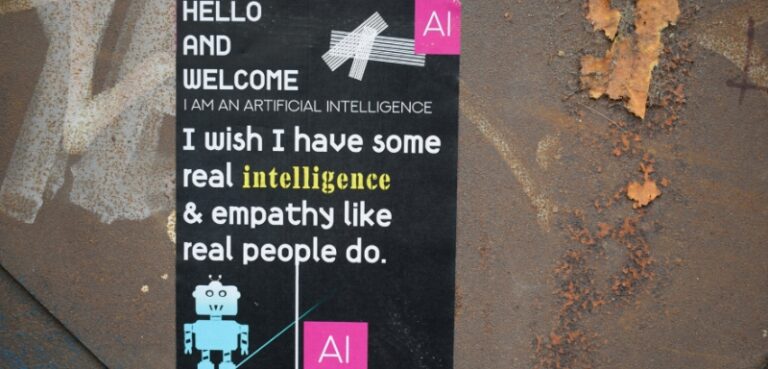
In the burgeoning era of artificial intelligence, the ongoing claims and rumors of machines replacing human minds has grown into a chorus. From automating mundane tasks to crunching vast datasets, AI’s capabilities are undeniable. Yet, amid the awe-inspiring algorithms and predictive analytics, a fundamental truth remains stubbornly clear: AI cannot and likely will not, fully supplant the intricate human elements of organization and problem-solving.
Organization, at its core, extends far beyond sorting files or scheduling meetings. It’s about understanding unspoken cues, anticipating needs and navigating the often-murky waters of human collaboration. An AI can optimize a project timeline based on inputted data but it cannot intuit the subtle tensions between team members, recognize when a casual coffee break might solve a looming conflict or understand the emotional toll a missed deadline might take. Human organizers wield empathy as a primary tool, recognizing that a truly organized environment fosters not just efficiency but also morale and psychological well-being. This requires emotional intelligence, adaptability to evolving interpersonal dynamics and a nuanced grasp of context – qualities that remain distinctly human.
Problem-solving isn’t just applying learned solutions; it’s about creativity, intuition and defining new problems that drive innovation. While AI excels within defined parameters, optimizing logistics or diagnosing based on data, it falters with truly novel challenges. Humans, conversely can connect disparate ideas, make intuitive leaps and reframe problems with incomplete information — a capacity for divergent thinking AI, bound by its programming, cannot replicate.
Moreover, human organization and problem-solving thrive amid the world’s constant flux and unforeseen circumstances. We adjust, improvise and innovate when the unexpected occurs. An AI’s strength lies in processing pre-existing patterns; confronted with events outside its training, its performance degrades. The human mind, however, possesses an unparalleled ability to learn on the fly, adapt to novel scenarios and make judgments transcending logical rules, drawing on vast life experiences. This deep understanding of causality, human behavior and reality’s unpredictability grants humans unmatched flexibility.
Ultimately, AI will continue to be an invaluable tool, augmenting human capabilities and streamlining processes. Yet, roles demanding empathy, intuition, creativity and the navigation of complex human interaction and novel challenges will remain inherently human. To confuse AI’s algorithmic efficiency with genuine understanding and innovative thought is to miss what makes us uniquely capable. The future sees humans and AI collaborating, with the irreplaceable human element leading the way.