Political divisions often fracture our world. Yet, a bouncing ball or crowd’s roar can achieve what diplomacy sometimes cannot: unification. History shows this, from ancient Olympic truces to modern initiatives. Sports, inherently offer a universal language, connecting people beyond borders and beliefs.
One remarkable instance of this “sports diplomacy” unfolded five decades ago. In 1971, amid frozen relations a chance encounter between American table tennis player Glenn Cowan and Chinese champion Zhuang Zedong in Japan sparked “Ping Pong Diplomacy.” This seemingly minor exchange — a gift and a handshake — led to an unprecedented invitation for the U.S. table tennis team to visit mainland China.
That visit, the first by an American delegation since 1949, was a watershed. It opened a crack in the bamboo curtain, paving the way for President Richard Nixon’s historic 1972 visit and ultimately normalizing relations. The moment demonstrated how informal interactions or even a simple game could spark profound diplomatic shifts. The focus wasn’t athletic prowess; it was the shared humanity found across the net, showing common ground could be discovered anywhere.
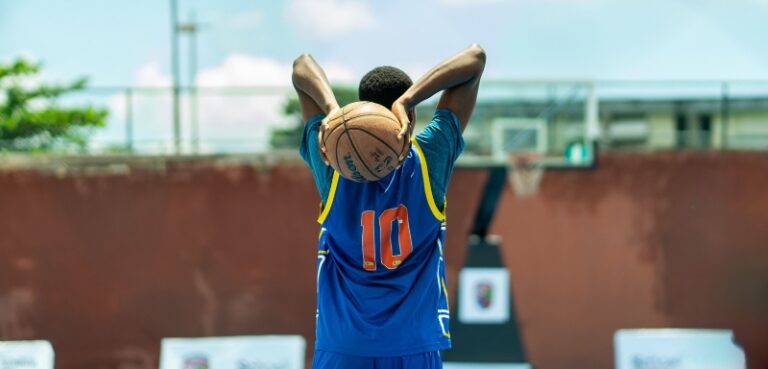
Today, “Ping Pong Diplomacy’s” spirit lives on globally. Organizations like PeacePlayers International use basketball to unite youth in conflict zones such as Northern Ireland and the Middle East. They teach teamwork and empathy, building trust among divided communities. In Sudan, young leaders bridge community divides with Football, prioritizing shared passion and fostering social cohesion. Rwanda also hosts peace tournaments for ex-combatants, using sports for reintegration, healing old wounds and promoting national unity. These grassroots efforts, often unseen quietly mend fragmented societies.
The lesson from “Ping Pong Diplomacy” and current initiatives is clear: Sport provides a neutral platform where competition and camaraderie coexist. It helps individuals see past political labels and stereotypes, recognizing shared aspirations and mutual respect. Consider a “Peace Through Play” initiative — an annual international tournament. Mixed-nationality teams would compete in various sports, emphasizing fair play, cultural exchange and dialogue. Such an event might not solve every crisis but it could forge vital human connections, build trust and foster an environment where future cooperation becomes inevitable. In a world craving connection, the ball is in our court. By supporting sports diplomacy, we can continue to write new chapters for peace, one game at a time.