The shocking assassination of conservative commentator Charlie Kirk serves as a grim and immediate reminder of the perilous state of our political discourse. While the motive is still under investigation, the act itself forces a difficult but necessary conversation about how political differences are increasingly used as rationale to do the unthinkable. In a nation built on the foundation of peaceful debate and democratic process, this violence represents not a tragic end but a dangerous turning point we must immediately reject.
For so long, the rhetoric of political disagreement has strayed from policy and principle into personal attacks and dehumanization. We have become a society where opponents are not wrong but evil; not simply mistaken but bitter enemies. This toxic environment fosters a dangerous logic: that if an ideology is a fundamental threat to the nation’s well-being, then those who espouse it are legitimate targets. It is a logic that short-circuits reason and justifies violence in the name of political purity.
But history is replete with examples of what happens when a society abandons civil discourse for violence. It leads to a cycle of retaliation where each act of aggression begets another and the political landscape becomes a battlefield where no one can truly win. The strength of a democracy lies in its ability to accommodate and peacefully resolve even the most profound ideological clashes. That means we must seek alternatives to violence and they are not difficult to find — they are the very bedrock of our republic.
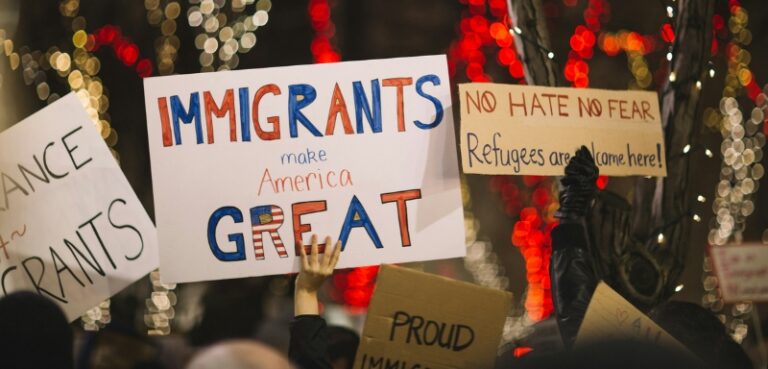
The most powerful tools we possess are a free and open exchange of ideas. Instead of resorting to physical harm, we must engage in spirited but respectful debate. We must use our votes to enact change, not our fists or our weapons. We must organize and advocate for our beliefs within the framework of the law. These methods are not weak; they are a testament to the strength and resilience of a society that chooses dialogue over destruction and civil persuasion over political punishment.
The path forward is not easy. It requires a collective commitment to lowering the temperature, a conscious effort to see political opponents as fellow citizens and a renewed dedication to the principles of civility and mutual respect. The legacy of this act of violence must not be a deeper chasm of hatred and division but a forceful and enduring call for all Americans to reject violence as a political tool and to recommit to the ideals of a truly democratic society.