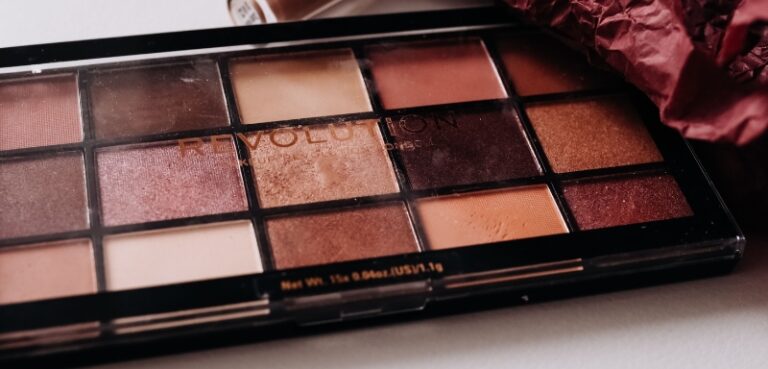
“You don’t need makeup.” It sounds like a kind thing to say. Some people might even enjoy hearing this. Honestly, every time I heard this phrase, I knew the person saying it meant it as a compliment. It’s supposed to be a good thing. I would be inclined to agree if I didn’t notice the subtle judgement behind these words, a reflection of the beauty standards in our society.
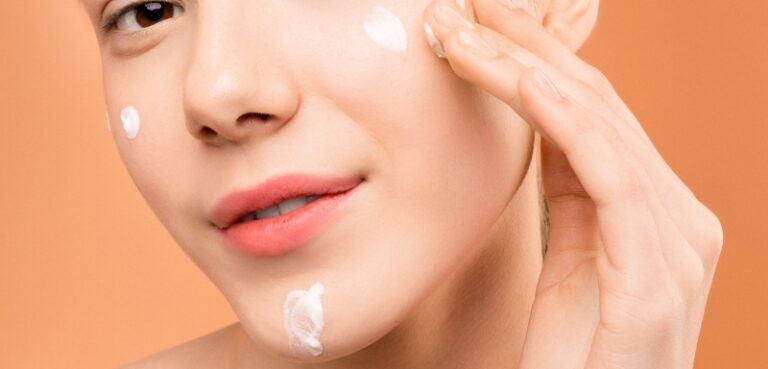
When someone is told they “don’t need makeup,” it implies makeup is only used to fix what’s thought to be imperfect, a flaw. You’re expected to feel grateful you don’t need to wear it, blessed even. This assumes the reason anyone wears makeup lies within an insecurity. Once they’ve been assured they’re fine without it, they’ll surely stop. By upholding this idea, we’re failing to see the underlying messages here.
What about the ones who wear makeup to make themselves feel good, the ones who use it as an act of self-expression or self-care? They choose to wear makeup because it’s what makes them feel their best. Why should they stop wearing makeup because someone told them it’s not necessary, that they’re fine without it? We’re ignoring their desires, along with anyone else who wears makeup for reasons outside of an insecurity, by making the choice to wear makeup a public debate rather than a personal decision.
What about the ones who don’t hear this phrase? The reverse is never stated aloud. No one says, “You need makeup.” They don’t have to. For those of us who don’t hear that reassurance, the message is clear: your natural face isn’t good enough. When spoken like that, makeup becomes a mask people hide behind. It reinforces the idea we’re meant to look a certain way to be considered acceptable in our society.
So next time that phrase comes to mind, take a moment to ask yourself: is this a compliment or a comment? Maybe it’s time we stop talking about who “needs” anything and start listening to why we keep saying it. Everyone deserves to feel beautiful, with or without makeup.