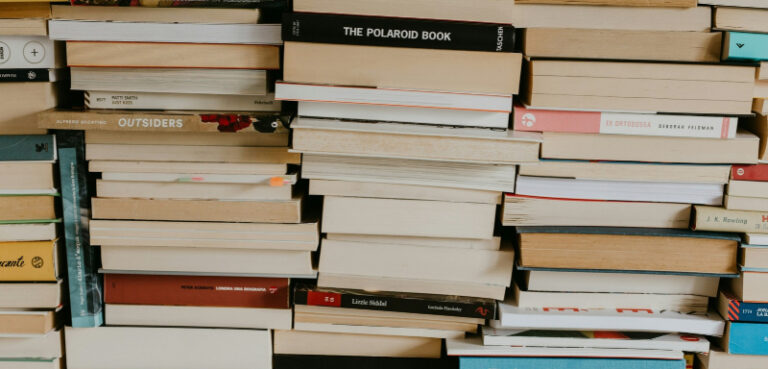
The banning of books has always been a controversial topic in the United States. The country was founded on principles of freedom, the freedom to say what you wish and to express yourself how you see fit, so long as it does not infringe on the rights of others. To have books banned in such a nation seems antithetical to the foundation of this nation; however, hundreds of books have been banned by local and federal governments across the nation.
The banning of books in the United States does not mean that these books are completely illegal to own. Instead, a book being banned usually means that it will not be in any libraries associated with the government. This includes many public libraries and public-school libraries. Banned books can still be purchased by individuals and owned without any fear of breaking the law; being banned means the book has been designated as not being supported by the government and its affiliated institutions.
The topic of banning books has an odd place in my thoughts. I agree that certain topics should not be available to children and young adults, but I also believe that a person’s freedom of speech should never be infringed on, and that includes their writing.
Generally, the banning of a book does not silence the ideas within, only making them harder to access by the average citizen. Those who hear about the book through word of mouth or public advertising will have no issues purchasing a copy online. However, refusing to allow such books in public libraries could be considered an indirect method of censorship by refusing to support them like other books. A subtle inequality.
The decision to ban a book is a complex one. Each book is unique in what story it tells and what themes it covers, so it is hard to give one true solution to them all. Much like alcohol or tobacco, I think certain subjects are not beneficial to a growing child and should be avoided by children until they are older and mature enough to form their own opinions on such complex and controversial topics.