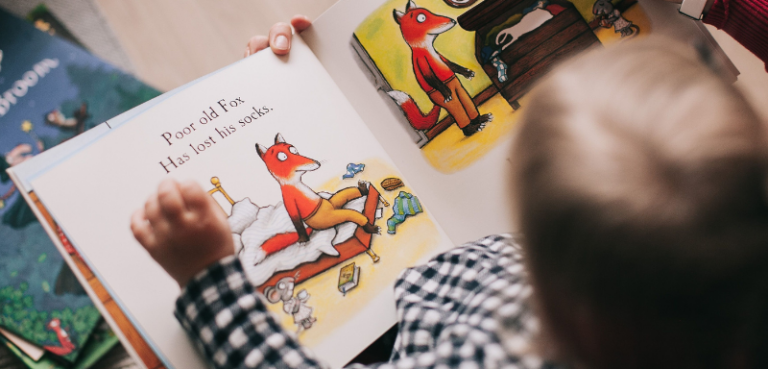
Regardless of the saying, many people judge books by their covers. And why shouldn’t we? A picture is worth a thousand words, right?
The design of a book cover can tell readers a lot about what’s inside. Between a book cover with a title in bold font and an image of a dark cabin in the woods, and one with the image of a cafe and thin swooping font, most people would be able to correctly identify which book is horror and which is romance. Book covers play a vital role in marketing as well. Before books are released, their covers are often used as promotional material to draw in potential readers.
The popularity of romance books with explicit content has increased over the last few years. Fueled in part by social media like BookTok, covers for these books have shifted from the traditional “bodice-ripper” style to a more cute animated style. Readers are less likely to feel judged by others, especially in public places, when their book cover doesn’t have a shirtless man on the front, a common characteristic of “bodice-ripper” covers. Simply put, these covers are innocuous. In fact, many authors who release books with explicit content make a point of promoting their “discreet covers”.
The problem with this shift is that this “cute and colorful” design style was previously used for young adult (YA) romance books, whose target audience is teenagers. In the past, these cartoon-style covers were used almost exclusively to convey to readers that the book is a light-hearted, clean story. Put a YA romance book and a modern adult romance book with an animated cover side by side, and now, it’s a bit more difficult to tell the two genres apart.
This shift in cover design has led to misunderstandings about a book’s content for many readers, both adult and kids alike. For example, one of the most popular books with this style of cover is Icebreaker by Hannah Grace. This book’s cover features a cute image of an ice skater standing next to a hockey player. Nothing about the book’s cover alludes to the extremely graphic sexual content readers would find within its pages.
Exposing young children to this type of content can have lasting negative impacts. Numerous studies have shown that exposure to sexual content at a young age can lead to increased anxiety and aggression, premature sexualization, distorted views on consent, and a decline in academic performance.
I am all for people reading what they want, but the use of this cartoon design style for books containing adult content needs to stop.