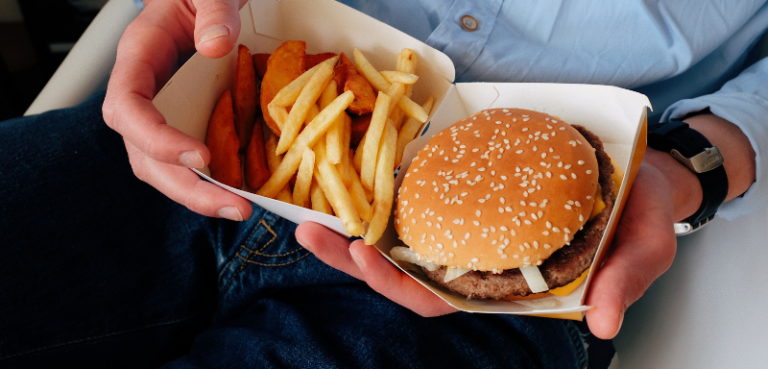
The topic of nutrition has been in American politics for decades. In a society that struggles with obesity and other food-related health conditions, figuring out proper guidelines for healthy eating has been a major concern for many administrations. It came as no surprise when the federal nutrition policy was changed by the Trump administration. While Department of Health and Human Services and Department of Agriculture secretaries Robert F. Kennedy, Jr. and Brooke Rollins stood by these alterations, many within the general public and other food scientists are having doubts.
Kennedy Jr. and Rollins have been frequent critics of how highly processed foods, saturated fats, and seed oils dominate American diets, and these radical changes are in an effort to curb these foods. Now, nutrition within the United States needs to prioritize whole grains, protein, dairy, vegetables, fruits, and healthy fats. This has resulted in a new food pyramid, where protein is at the top priority and where grains are at the bottom.
Much of the outcry against this change is due to the inconsistency of these changes, primarily around saturated fats. Saturated fats can be found naturally in many foods, including whole milk, a food that the current administrations are heavily promoting. Additionally, others allege that these new nutritional guidelines will benefit the red meat and dairy industries, which are notorious for their violations against animal welfare and lobbying.
In reality, these new nutrition guidelines don’t address the fundamental reasons why many Americans turn towards processed foods. Taking processed foods out of food assistance programs like SNAP has done nothing to combat the reality of how difficult it is for low-income Americans to have fresh produce and meat.
Fresh foods mean having to deal with high prices and decent storage that can be hard to come by if a family doesn’t have refrigerators to keep food from spoiling. Additionally, not every household has the proper appliances to cook these foods, and even cooking itself can be more expensive than eating out. These issues are at a systemic level, and unfortunately, there is only so much an individual citizen can do.