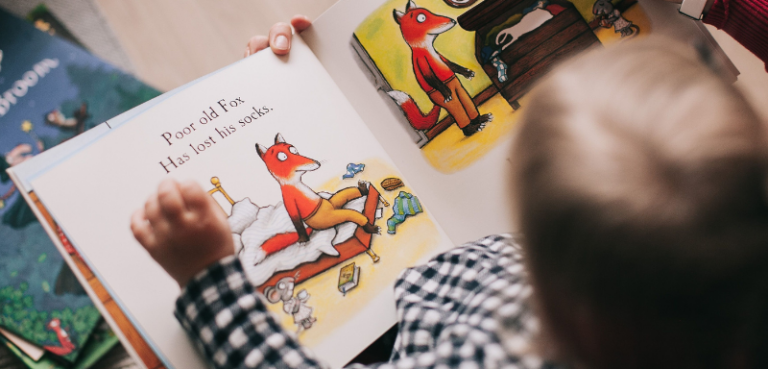
Oh the days of Dr. Seuss, a time where life was so much simpler and it felt like everything was normal. Dr. Seuss is a childhood icon, writing over 60 children’s books for kids to enjoy all over the world. Even adults today reminisce over the golden days when they, themselves, would partake in reading the legendary Green Eggs and Ham and One Fish, Two Fish, Red Fish, Blue Fish books. I think it’s safe to say that Seuss’s books are a gem of nostalgia that unlock our most precious and treasured childhood memories.
With many cartoons and sources of children’s entertainment come innuendos that are meant to fly over the heads of younger audiences while catching the attention of their parents who understand the deeper meaning behind the references. At times, these subliminal messages contain propaganda that is meant to influence children’s perceptions of certain social and political ideas, often personifying it with both infantilizing and childlike images that increase the implicitness and subtlety of the message being conveyed.
Dr. Seuss has, over the years, been exposed for not being the heroic, charismatic, happy-go-lucky children’s writer that everyone looked up to when they were younger. Instead, he has been labelled as a racist, and has been scrutinized for the alleged affairs that he had during his marriage.
His book If I Ran the Zoo exhibits racism to the highest degree as he depicts some of the characters as “Black” with hyperbolically darkened skin and the Asian characters with thin, squinty eyes. He refers to the Asian-personified characters in the book as “helpers who all wear their eyes at a slant”. The “helpers” are seen carrying a caged animal on their heads while a man stands on top with a gun in hand. It seems like Dr. Seuss somehow implemented a family-friendly version of slavery in a kids book and managed to actually get away with it.
In the book And To Think That I Saw It On Mulberry Street, Seuss promotes racially insensitive views towards Asian individuals once more as he quoted that one character was a “Chinaman who eats with sticks.”
While these jokes flew over the heads of the younger generations, they have been deemed offensive by the general population who have recognized these images as racially insensitive and prejudiced. A few of Dr. Seuss’s books have been banned due to the insensitive nature in which the author has depicted minority groups. While Seuss has landed himself in the hearts of many for his nostalgic pieces, his callousness and recklessness have landed him in hot water with many of the people who looked up to him before.