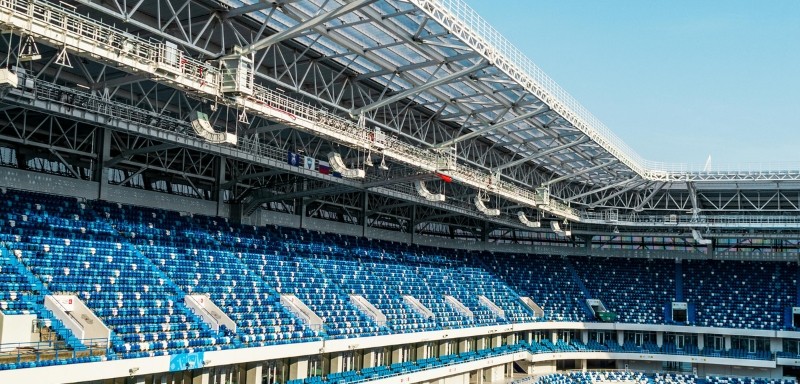

The sports industries within the United States and much of the Western world have been pushing their globalization efforts hard in recent years. The NFL and Formula 1 are the biggest examples of this, branching out towards international audiences more now than ever before. These efforts have been a successful venture, but recent global conflicts have the potential to disrupt that progress.
The Middle East has seen a rise in collaboration with Western sports industries as of late. From baseball, football, golf, and even racing games, a variety of sports organizations have been eager to set up events in that region. Saudi Arabia is leading the charge in this expansion, due to the rise in participation and interest among Middle Eastern youth, and the goal to become a global sports powerhouse.
It’s an expansion that would no doubt boost the region’s tourism and economy to new heights by 2030 at the earliest, but the recent conflict in Iran places this effort in a dangerous spot. The F1 Bahrain Grand Prix, which was expected to begin on April 10, is in jeopardy. Additionally, the initial strikes hit Doha, the area where the 2022 World Cup events were held.
These trikes have caused significant damage to critical infrastructure that could accommodate potential tourists and athletes traveling to such events. Already, the excitement towards the 2034 World Cup, which is set to be hosted by Saudi Arabia, is falling. If this war were to continue far beyond the four weeks, the United States alleged, these sporting events would likely be discontinued indefinitely.