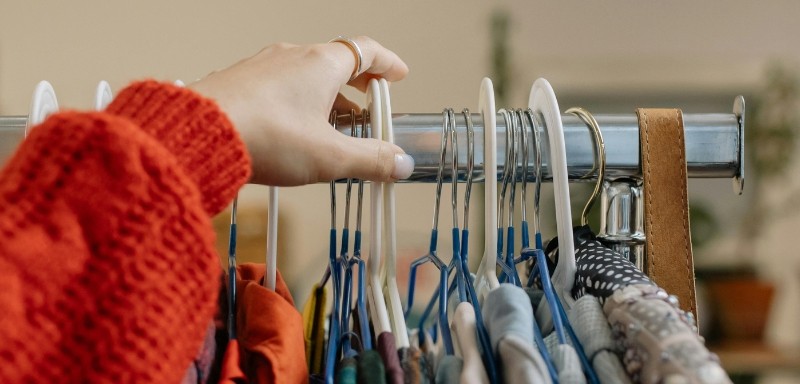

Thrifting clothes has regained popularity in recent years, spurred on by the tariffs of the Trump administration. While the Salvation Army and Goodwill still maintain a dominant force within the American thrift industry, more and more young people move away to shop at alternative stores. This shift, while recent, has left many people curious.
Goodwill and the Salvation Army have faced growing critiques of their labour practices for a while, including allegations of paying employees wages below the minimum wage, inconsistent pricing, and discrimination against employees with disabilities, among other issues. Additionally, the quality and waste of the products it sells are also a major point of criticism, with many alleging that Goodwill dumps far more of its products in landfills than it sells.
For the Salvation Army, much of the criticism towards them revolves around its alledge stances on social issues, particularly around the LGBTQ+ community. Allegations going as far back as 2019 have alleged that the Salvation Army is vehemently against people within the LGBTQ+ community. The organization has a documented history of opposing same-sex marriage, and some shelters have denied services to transgender individuals. Many point to the organization’s allegations of using its status as a charitable church to push requirements to participate religous activities to receive aid.
That said, the organization has had other criticisms similar to the ones against Goodwill, including exploitation of low-income and disabled workers. While ethical stores are important, within the thrifting community, organizations that are inclusive towards all walks of life are the most essential.