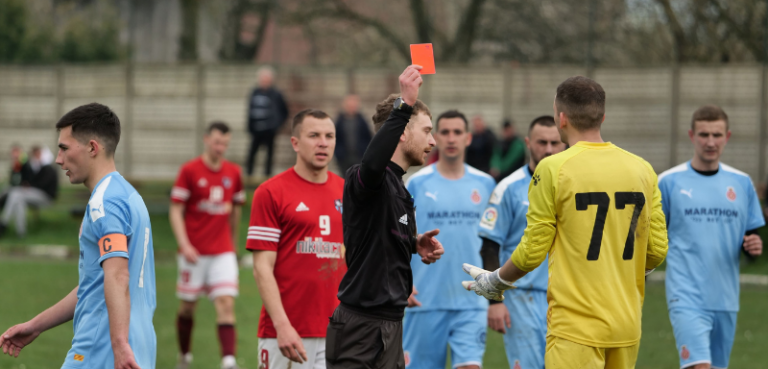
The World is the biggest stage for many countries, as dozens of nations face rough and challenging matches for the global prize. Every World Cup creates one champion, but it also leaves dozens of countries wondering what could have been. For the countries that fall short, the aftermath is often filled with disappointment, reflection, and difficult questions about what went wrong.
Fans are usually the first to react, expressing heartbreak, frustration, or even anger after seeing their team’s dreams end. Coaches and players face intense scrutiny, with many being criticized for tactical decisions, missed opportunities, or poor performances under pressure. The treatment teams receive in certain nations are terrible, compared to those in others.
Despite the disappointment and mistreatment, losing the World Cup can become a turning point for a nation’s soccer program. Many countries use the experience to develop younger talent, improve coaching, and invest in long-term success rather than focusing solely on immediate results. When a country puts more dedication, there more likely to see better results in future matches.
The emotional impact extends beyond the field because the World Cup often brings an entire country together. A loss can temporarily lower national morale and faith, but it also reminds fans of the passion and unity that sports can inspire, regardless of the final score.
The true measure of a country’s soccer program is not just whether it wins a World Cup, but how it responds after defeat. Nations that learn from failure and continue to grow are often the ones that return stronger in future tournaments.