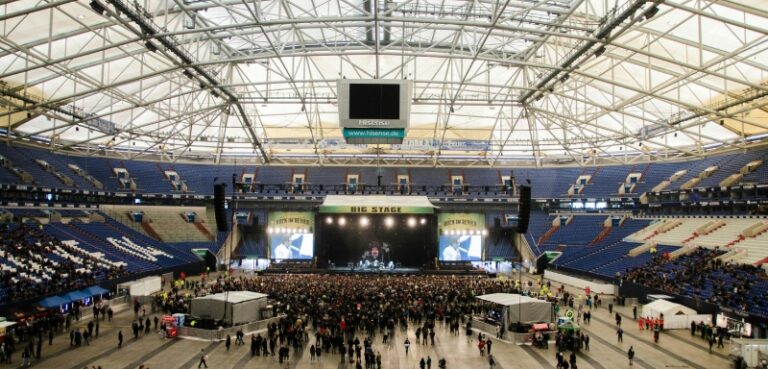
Live performances are probably one of the toughest and most demanding parts of a musician’s job. Having to tie together the singing aspect, dancing aspect, visual aspect, and appeal subject it to heavy criticism, and only few artists have been able to master the art of live performance over the years. Some artists have endured intense and lengthy training classes to ensure that they develop an expertise in these fields before they step onto the big stage.
One of the biggest things that fans look for when attending a concert is energy. No one pays money to see a low-effort, sluggish performance from their favorite artist. They want to experience joy, ecstasy, something—–electric.
There are a few notable sins that exist within the realm of live performance with one of the biggest sins being the art of lip-syncing. Lip-syncing is when an artist creates the illusion that they are singing through the combination of a pre-recorded vocal track and lip movements that correspond in sync with the recording. It attempts to showcase the artist singing in real time even though they are not. Lip-syncing has been criticized for many years and has often been considered as a lazy and low-effort form of performance—but after taking a holistic approach to performance, is the act of lip-syncing really that bad?
Yeah, yeah—I get it, it’s not the same as actually singing. Fans praise artists for being able to sing on the live stage as it shows that they truly have good vocal technique and that they do not need to rely on technological enhancements to sound good. However, people fail to realize just how difficult it is to tie together so many different elements of entertainment all at once. Most artists have to combine vocals, choreography, and on-stage appeal all into one, and that is, by means, no easy feat. Performers often get so drained and fatigued from the choreography that their vocal performance takes a heavy hit. It’s hard to sing when you’ve just hit a cartwheel and landed into the splits. Lip-syncing takes a little pressure off of the artist by allowing them to breathe and pace themselves throughout their performance. It gives them a second to catch their breath and doesn’t allow the mic to pick up on their brief exhales and signs of clear exhaustion.
And many artists have already proven themselves. Beyonce, Britney Spears, and Mariah Carey don’t always need to actually sing because the world has already seen them do it. They have mastered the art of live-singing and deserve to catch a break every once in a while. Most people don’t realize how vocally-taxing singing on a frequent basis can be, and it is important for many artists to give their voice-boxes the proper rest that it needs to stay healthy.
In Britney’s “worst” performance which was at the VMAs many years ago, she lip-synced and gave a lower-energy choreo and still managed to land the performance as one of the most iconic ones of all time. And there have been several artists who have wowed the crowds even without letting out a single sound—so no, lip-syncing isn’t that bad if your fans know that you have the talent. If you are lip-syncing every performance, then that can be a valid subject of criticism, but lip-syncing does not make a performance inherently bad.