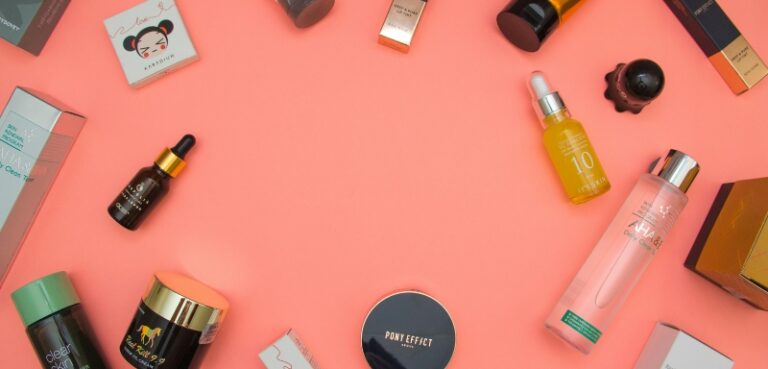
Korean beauty products rose in popularity in the United States thanks to the rising popularity of K-pop in the early 2010s. Since then, these beauty products have grown to have a consumer base of various backgrounds. However, the recent negative trade relations between the United States and South Korea due to the Trump Administration could wind that progress back.
At first, Korean beauty products were seen as novelty items to the American public. However, perception quickly changed due to their quality and how effective it was in improving skin. While popular Korean media certainly had a hand in expanding these products’ reach, it was their recent responses to the social media attention that drove up interest.
In platforms like Instagram and TikTok, Western beauty influencers outside conventional Korean beauty helped bring broader skin tone ranges to K-Beauty products through their reviews and criticism. Instead of ignoring these critiques, K-beauty companies followed through and implemented some of the changes that these influencers suggested.
Consumers saw how receptive to change these companies were and responded accordingly. It was a far cry from some Western beauty companies, which, for a time, would refrain from including darker skin tones in their makeup due to being too “costly” or “difficult.” It was to no one’s surprise that K-beauty companies would see a surge in interest from non-white consumers.
While K-beauty products will likely be hurt by the ongoing tariffs, the interest will never fade. As long as these companies continue to be receptive towards customer criticism and welcoming to consumers of all skin types and tones, people will keep buying their products no matter the cost.