By tapping into obscure jazz riffs, dusty gospel loops, and forgotten soul grooves, music producers are doing more than just crafting new beats — they’re curating cultural history. Sampling, historically a foundation of hip-hop and electronic music, has matured into a powerful form of archival work. When a producer plucks a melodic phrase from a 1974 funk B-side or a snippet of a 1930s field recording, they’re not only reviving that sound — they’re exposing entire generations to music they otherwise might never hear.
In an era where algorithms shape taste and vinyl collections gather dust, sampling forces us to reckon with what gets remembered. The producer becomes a cultural archaeologist, digging through sonic crates to reassemble stories of diaspora, struggle and joy. By embedding these fragments in modern compositions, forgotten artists live on, their voices echoing through subwoofers in clubs, headphones on late-night commutes and even viral TikToks.
For instance, Kanye West’s use of Chaka Khan’s “Through the Fire” reintroduced her to a younger audience. DJ Shadow’s debut album “Endtroducing…..,” built entirely from samples, painted a textured map of musical lineage. Destiny’s Child’s “Bootylicious” utilized the iconic guitar riff from Stevie Nicks’ “Edge of Seventeen,” giving new life to this early 2000s R&B hit and bringing Nicks’ work back into the spotlight. These examples show how sampling isn’t just a production technique,it’s a form of musical archaeology intentionally used as acts of remembrance. Producers become curators, ensuring that melodies, rhythms, and voices from the past continue to resonate in the present.
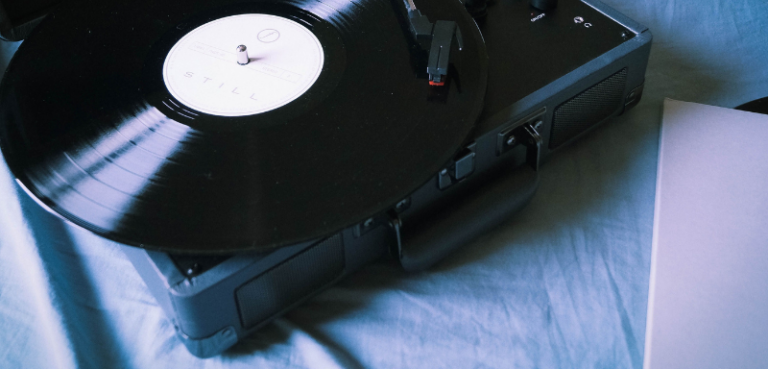
Of course, critics argue about originality. However, this overlooks how sampling is less theft and more tribute when done respectfully and creatively. It’s a dialogue across decades. A sampled breakbeat isn’t just a rhythm, it’s the fingerprint of a moment in time. As music continues to be digital and ephemeral, samples become anchors. They whisper back to us from crackled vinyl, reminding us of what shaped today’s soundscape.
In this light, sampling transcends trends; it becomes resistance against cultural amnesia. Producers may not wear white gloves or work in archives, but with every loop and layer, they preserve the echoes of the past, and ensure that forgotten voices are heard way beyond their time. That’s not just good music. That’s legacy.