The beauty industry has produced numerous products advertised to combat the effects of aging, and while most have yielded varying results, epigenetic serums may be the industry’s next golden goose.
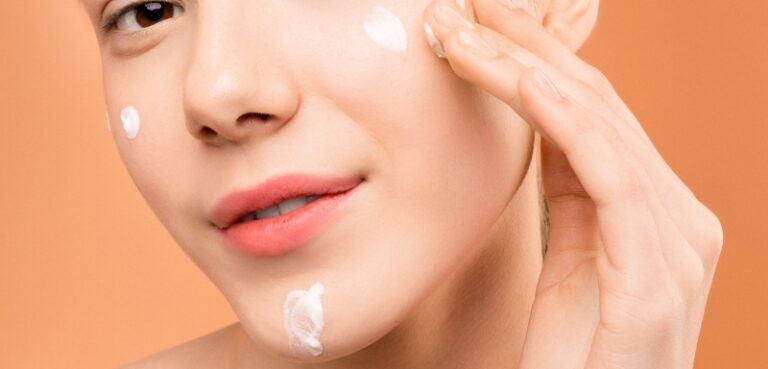
For those unaware, epigenetic serums are skin care products within the anti-aging skincare industry. What sets these products apart is that instead of working on the surface layer, epigenetic serums are said to work on the cellular level. This occurs by reactivating the skin’s youth genes at the root and allows skin cells to act younger.
Unsurprisingly, these serums are quite controversial as the effects on the human body are still being studied. Since these serums are believed to affect a person’s genetic material, there is concern they could potentially alter genes in ways that might be inherited by future generations, though conclusive evidence is still lacking.
These are necessary conversations to have, especially considering the rise of people in younger generations using products or even undergoing cosmetic procedures to alleviate the effects of aging. Whether people like it or not, aging is a natural process of life, and it will happen to everyone. While everyone has the right to look however they want or feel as youthful as they can, societies desperation for people to look younger than they are has pushed people to go towards drastic and more dangerous methods.
These epigenetic serums could prove to be a better solution, should they prove to actually work long term and have no harmful effects on the human body. That said, almost anything put out in the world to help can be abused, and these serums are no different. Especially considering beauty and skincare organizations’ recent push to get these products on shelves for commercial use.