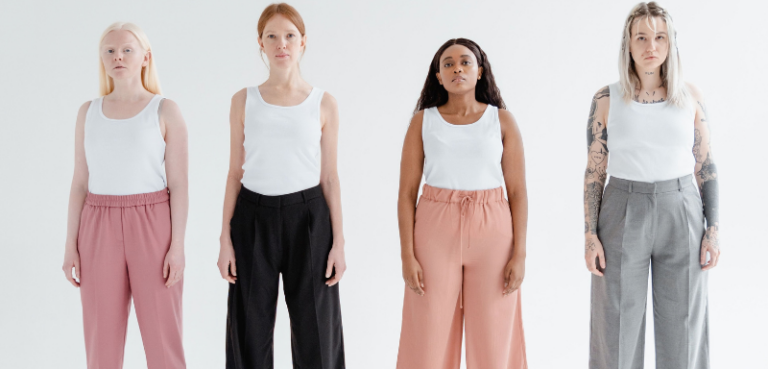
Brandy Melville has become well known for its “one size fits most” clothing and is made to fit a petite audience, but recently, a sizing approach has sparked debate about body image and inclusivity regarding Brandy Melville. Many shoppers argue that the brand’s limited sizing excludes people whose bodies do not fit its narrow standards.
At the same time, the fashion industry has experienced size inflation, also called vanity sizing, where clothing labels are adjusted so customers can fit into smaller-numbered sizes. This trend can make shopping confusing because the same size often fits differently across brands.
Brandy Melville stands out because it has largely resisted size inflation by keeping its clothing measurements relatively small instead of expanding its sizing. To put this into simpler words, it’s basically expanding the sizes while keeping it “one size fits all,” taking out consideration for the original audience: petite women. While some people appreciate the consistency, others believe it reinforces unrealistic beauty standards and limits accessibility.
The contrast between Brandy Melville’s sizing and size inflation raises important questions about how brands define their customers. It also highlights the challenge of balancing consistent sizing with the need to serve people of many different body types.
Both Brandy Melville’s sizing strategy and the broader trend of size inflation shape how consumers experience fashion. Greater transparency and more inclusive sizing could help shoppers find clothes that fit well while promoting a healthier and more welcoming fashion industry.