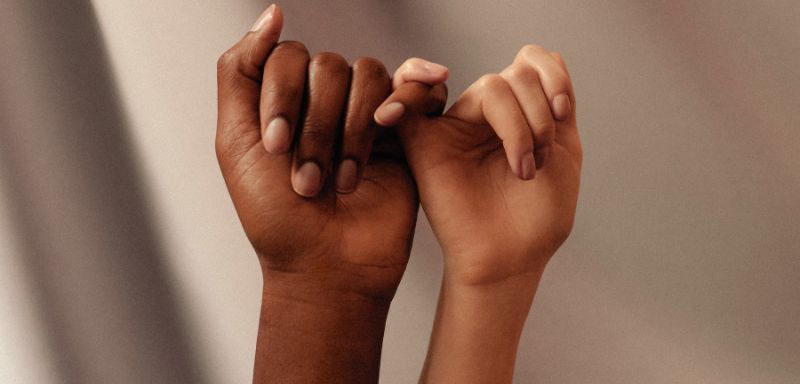
The beauty business has long faced criticism for its limited portrayal of skin tones, frequently favoring lighter complexions while ignoring the diversity of its clientele around the world. However there has been a significant shift in favor of inclusivity in recent years, with cosmetic firms at last accepting a range of skin tones. This revolution is redefining the entire beauty business in addition to altering people’s perceptions of beauty.
When Rihanna introduced Fenty Beauty in 2017, a cosmetics line with 40 foundation shades ranging from the lightest to the darkest complexion tones, it marked a significant turning point. This ground-breaking action delivered a strong message to the sector, demonstrating that inclusion is not only a business strategy but also a moral imperative. The popularity of Fenty demonstrated that there was a sizable, unexplored market of people who weren’t getting standard beauty products.
Following Fenty Beauty’s popularity, several big businesses did the same. Businesses like Maybelline, L’Oréal, Estée Lauder, and others increased the range of shades they offered in their ads to promote inclusiveness and diversity in beauty. Smaller, independent companies like women-owned Mented Cosmetics and Uoma Beauty, which prioritized goods for underrepresented complexion tones from the start, further pushed the boundaries.
But inclusiveness extends beyond color spectrums. It has to do with the way beauty is advertised and the faces that companies pick to showcase their goods. In an effort to make customers feel recognized and appreciated, more businesses are increasingly using models in their campaigns who represent a range of races, skin tones, and body shapes. Brands are adopting a more global definition of beauty in place of the Eurocentric beauty standards that once dominated the market.
More than just a fad, the move toward inclusive beauty is a long-overdue development. The industry is under pressure to provide goods that accurately represent the vast diversity of the planet as customers call for greater representation.
