A new districtwide policy prohibits devices such as iPads in Kindergarten through second grade with few exceptions. Instead, teachers are emphasizing traditional, handson learning through activities like games, puzzles, and pen and paper assignments.
These screen-free classrooms arrived after a grassroots effort from local parents in Croton-on-Hudson, an affluent, highly educated suburban village on the Hudson River, 40 miles north of Manhattan. It was formed in July 2025 and has amassed more than 400 local members, built a network of parents who’ve tried to give their children a screen-free childhood, reshaped the school board, and secured several changes limiting the use of educational technology in instruction.
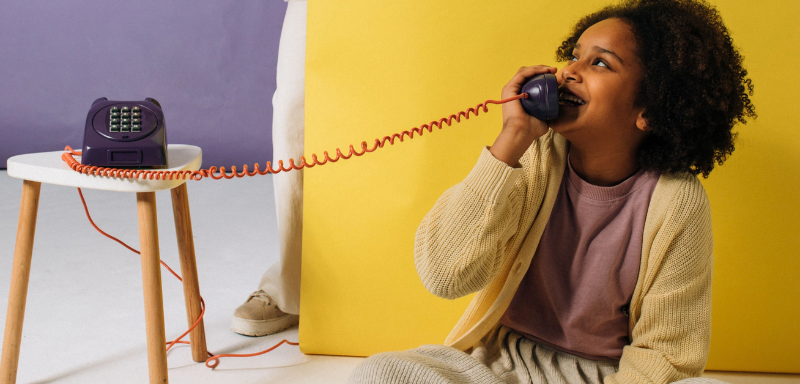
Volunteers have stocked scores of local businesses with boxes of books and magazines, so that kids have a screen-free way to pass the time while waiting for a haircut, or sitting at a diner. Over 100 families have installed landlines in their homes to help children stay connected sans cell phones.
“We want Croton to be famous for being a town that brought back childhood, at home and at school,” said local parent Jill Anderson, who founded the coalition. “We want people to move here for their kids to have a different life, like the way it used to be.”
Ed tech has become a fixture in classwords nationwide in the past decade. Today most US children spend at least part of their school day on a laptop or tablet. Advocates say that the shift is key to preparing students for a future that is technology driven in the workforce. While critics say that it sets students back, citing research that has linked that excessive screen time leads to poorer academic performance, lower attention spans and behavioral issues.
A local parent, Danny Zeliger, who teaches high school English, remembers looking out at a classroom full of students absorbed in their screens and thinking, “It looked less like joy, and more like opiates.” Zeliger does not allow his own young children to use iPads, but learned that teachers regularly provided them to students in the classroom at his daughter’s school.
“You can imagine how hard it is to not give your kid an iPad at home, and then the first one they receive is from their kindergarten teacher,” he said.