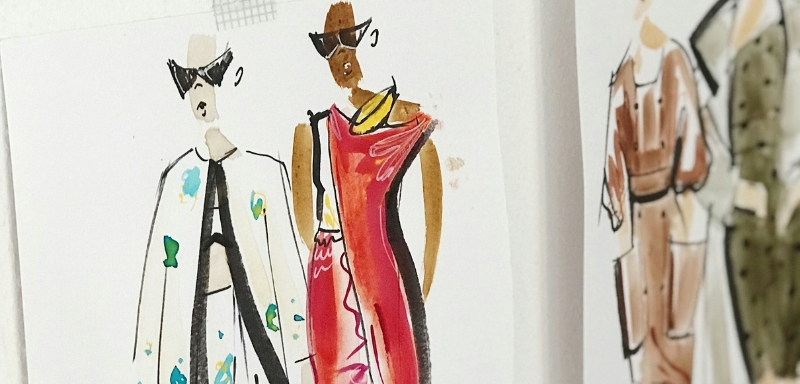

Everyone growing up constantly changes what they want to be as a kid. I went from wanting to be an historian to, at one point, wanting to be a speech therapist and counselor to help people like me growing up. But one dream that was there long before I decided I wanted to be a journalist was to be a fashion designer.
More specifically, a Haute couture fashion designer. Obviously, by me writing this article, that’s a dream that has long passed, but there was a film that I saw at a young age that inspired me to even want to get into fashion at all: The 2006 film The Devil Wears Prada.
This critically acclaimed fashion film, over the last twenty years, has shaped generations of fashion fans by demystifying the industry, popularizing high-end style, and illustrating how trends trickle from elite runways into everyday culture.
The way the film goes about revealing several interior aspects of the fashion industry some real and some superficial) created an avenue for several young watchers and fans to be inspired and discover aspects of an industry they could someday dream and work towards being a part of. One of the biggest highlights of this realism is Stanley Tucci’s character Nigel Kipling, who serves as a loyal and authentic fashion designer in the film who has stayed strong after years of compromise.
One of the biggest lessons taught through the film is delivered from Meryl Streep’s character Miranda Priestly on how high fashion slowly makes its way down onto the mass market shelves in department and retail stores. This monologue, just like the set design and costume design done by Patricia Field throughout the film, serves as a gateway of understanding of an elusive industry.
The most confounding avenue of inspiration comes in the dynamic and contrasting differences and similarities between Andrea Sachs(played by Anne Hathaway) and Emily Charlton(played by Emily Blunt). These two characters represent two distinct individuals who, by the end of the film, aren’t completely different from one another. Andrea is there solely to improve her resume, while Emily serves as a character who is actually obsessed with the craft and art of fashion. They represent the realistic values that come with being a part of an industry like this: the idea of conforming to an industry and growing to be a part of it or sacrificing everything you have to be a part of it.
This film is an iconic piece of media and film that inspired and even maybe uninspired countless people around the world with a look into the fashion industry on the highest level, with some obviously exaggerated storytelling and plot devices to keep it dramatic and interesting. It remains now, even with the recently released sequel, as a cornerstone of film and the fashion industry twenty years later.