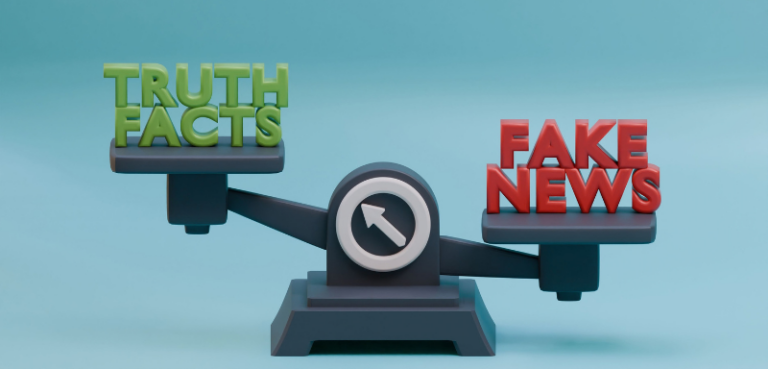
In an increasingly interconnected world, the battle for hearts and minds has moved beyond traditional battlefields into the digital realm. Misinformation, propaganda and state-sponsored disinformation campaigns are not merely nuisances; they are potent weapons that fan the flames of international conflict and make rational discourse a near impossibility.
Misinformation, often spread unintentionally, can quickly become a dangerous accelerant. A false report, a misinterpreted statistic or a decontextualized image can go viral, shaping public opinion and pressuring policymakers into hasty decisions. In the volatile arena of international relations where every word and action is scrutinized, such errors can have catastrophic consequences, eroding trust between nations and escalating minor disputes into major crises.
Propaganda takes this a step further. When states employ propaganda, they craft narratives designed to demonize adversaries, glorify their own actions and rally domestic support for aggressive policies. This often involves cherry-picking facts, emotional appeals and the systematic suppression of dissenting voices. The goal is not to inform but to persuade, often at the expense of truth and nuance. This creates an echo chamber where citizens are fed a constant diet of one-sided views, making it difficult for them to critically assess complex geopolitical situations or empathize with the perspectives of other nations.
The most insidious form of state-sponsored disinformation is a calculated and covert operation to deceive. These campaigns involve sophisticated networks of fake social media accounts, bot farms and proxy websites, all designed to spread fabricated stories, sow discord and manipulate foreign populations. From interfering in elections to fabricating pretexts for military action, disinformation seeks to destabilize, polarize, and ultimately control the narrative. By blurring the lines between fact and fiction, these campaigns erode the very foundations of trust necessary for diplomatic solutions.
The cumulative effect of these forces is a perilous fog that obscures truth and stifles genuine dialogue. When citizens and leaders are bombarded with skewed realities, the space for rational discourse shrinks. Diplomacy becomes harder when public opinion is inflamed by falsehoods and de-escalation efforts are undermined by entrenched biases. Countering this threat requires a multi-faceted approach: robust media literacy education, independent fact-checking initiatives and international cooperation to expose and dismantle disinformation networks. Only by prioritizing truth and fostering critical thinking can we hope to navigate the treacherous waters of international conflict with reason and prevent the digital battlefield from becoming a real one.